In this Food Makers & Changers interview, we get to know Food Systems specialist Laurel Waterman!
About Laurel Waterman:
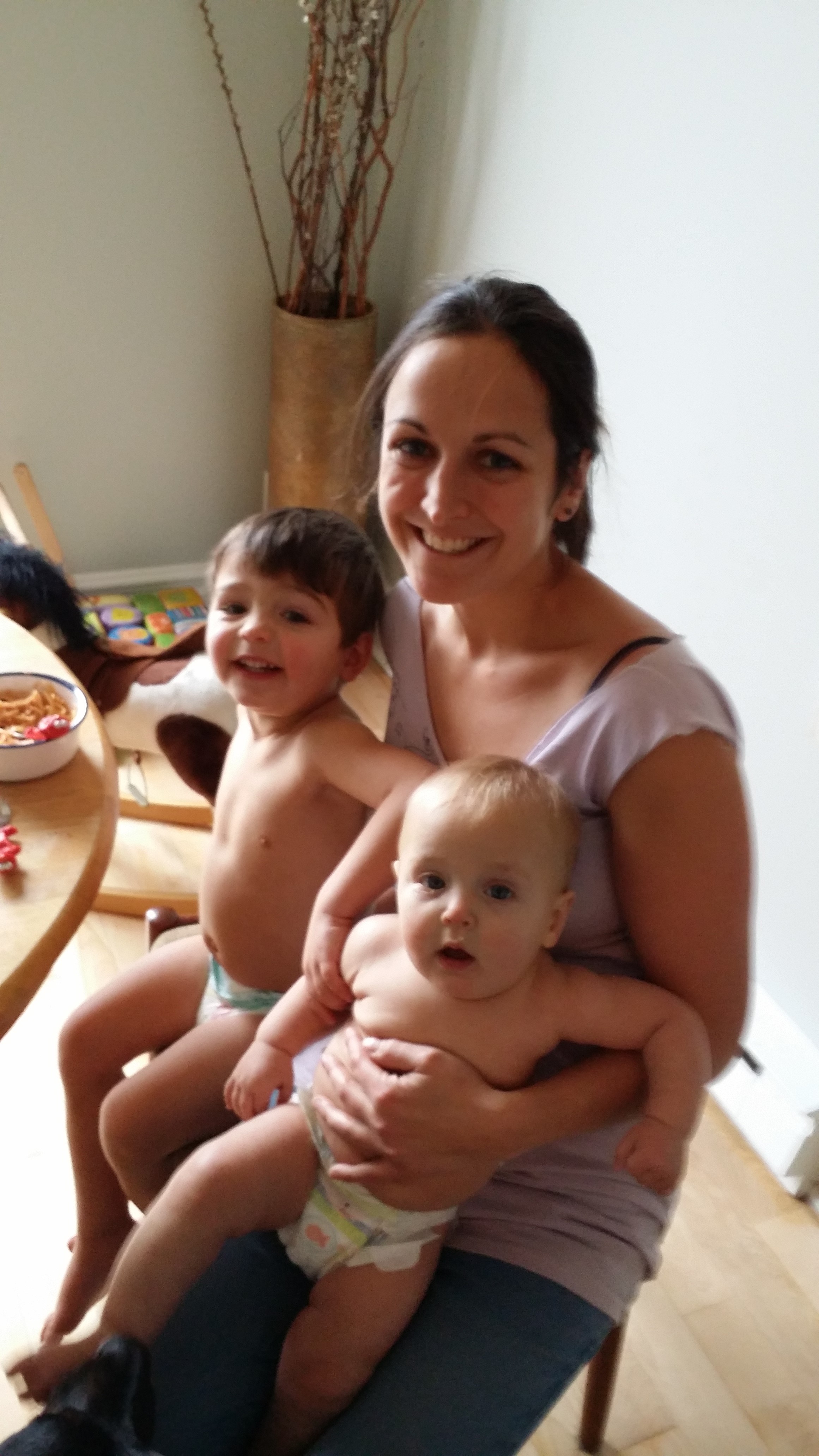
Laurel Waterman teaches creative non-fiction writing at the University of Toronto. Laurel specializes in food systems education. She has developed and taught three food-related courses: Food and Writing (U of T), Food and the City (George Brown College) and Lifestyle and Wellness (George Brown College). Laurel completed her Master of Arts in Adult Education and Community Development at the Ontario Institute for Studies in Education, University of Toronto and her Bachelor of Arts in Political Science at the University of British Columbia. Laurel published her MA thesis, “About Local Food: Four conversations with Toronto food activists,” in 2009 with Life Rattle Press. She continues to learn, teach, read, write and think about food sustainability, while raising three kids and two dogs in downtown Toronto. She also works as a freelance writer, researcher and editor.
What is one change you’d like to see happen within the food system and why?
The end of factory farms! Factory farms breed cruelty, illness, waste, violence and suffering. They are environmentally and spiritually unsustainable. Humankind, with all our innovation, ingenuity and compassion, can find better ways to feed ourselves. We already have. Let’s take factory-farmed food off the table.
Where do you stand on local vs. organic vs. simply eating whole foods? What are your personal priorities when it comes to your own diet?
The question of what’s more sustainable, local, organic, or veg/vegan, was the subject of my research that culminated in the book, About Local Food: Four conversations with Toronto food activists. My priority right now, especially since feeding my kids is one of my main jobs, is to keep nutritious, consciously-raised, sustainable food in the house. I try to ensure that our fruit bowl and veggie drawers overflow, buy organic or LFP certified foods when available and affordable, and source organic or free range, hormone and antibiotic free animal products.
What is your favourite season and why?
Easy. Harvest season. Local corn, tomatoes, berries, greens. And the air smells like burnt leaves and wet earth.
Is there a fruit or vegetable that you just won’t eat?
Durian. Not local to here. I tried it in Indonesia. Durian is banned from public transportation there because of its smell. To me it tastes like rotting flesh. It’s the only fruit I’ve tried that I don’t like.
Who do you most admire in the food movement?
I admire everyone who makes an effort to eat in a sustainable, compassionate way. There are infinite ways to participate in the food movement. Whether you grow, cook, eat, buy or even just think about food in a systemic way, you are working for change. It’s hard to do, but rewarding and admirable.
What has been your most meaningful and rewarding work to date?
Teaching “Food and Writing” at U of T, I get to read personal stories about food. So many people have traumatic relationships with food. I think sharing these stories is cathartic and part of the solution. If you struggle with emotional or physical stress around food, you are not alone. It’s a symptom of our broken, disconnected food system. Over the summer, I am planning to put together a collection of some of the best writing that’s come out of my Food and Writing classes. As an educator, writer and editor, I encouraged the authors while they wrote and had the privilege to read these stories in their early drafts. This has been incredibly rewarding for me.
Favourite junk food?
Popcorn. Perfect substitute for potato chips. I can make it healthy with olive oil or coconut oil or flaxseed oil and nutritional yeast, or more indulgent with butter and parmesan cheese.
What issue/passion inspires you to keep doing the work you do day after day?
I want to see less suffering in the world. Let’s make sure everyone has access to good food, and enough food. Let’s stop agonizing over body image. Let’s stop mistreating animals in our food system. Let’s celebrate and co-create bounty and affluence in nature and our food system.
This post is part of the Food Makers and Changers series, introducing you to friends in the food community that are making a big difference.